From Parlour Pastime to Casino Image
Explore how the casino image grew from a social gathering place into entertainment shorthand, and learn to spot the varied histories a familiar scene leaves out.
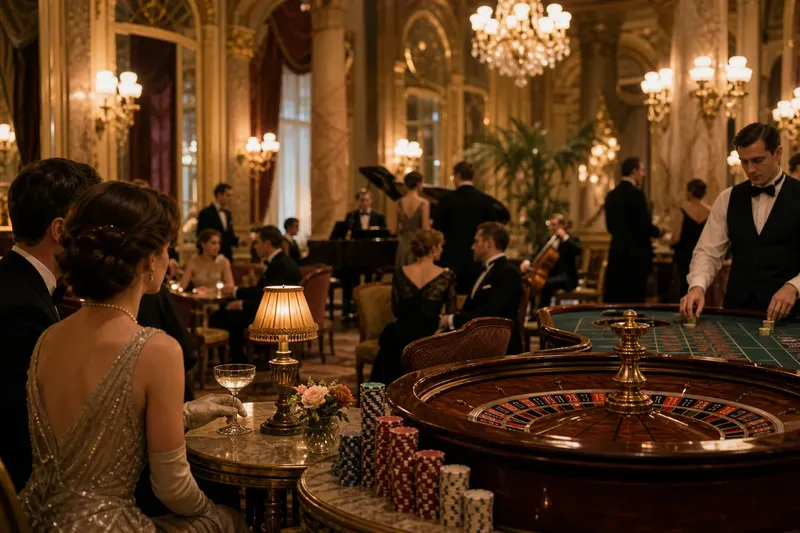
At a resort, one guest might head for the music while another looks for a game. That range helps explain the history behind the casino image: the word and the venues it described did not always point to gambling alone.
What did casino mean before the familiar gaming room?
The Italian word casino is related to casa, meaning “house.” That connection offers a linguistic starting point, not a complete account of the word’s history or of what happened inside every venue called a casino.
Depending on place and period, a casino could be associated with leisure and gathering. Visitors might come for conversation, music, dancing, refreshments, or games. The mix varied, so the name by itself cannot tell us what a particular guest did.
It is more useful to treat “casino” as a label shaped by local customs and expectations than as a timeless description of one kind of room.
How did public leisure shape the casino setting?
In some cities and resort communities, visiting a casino could be part of an evening out. Social, recreational, and gaming activities might overlap, but no single pattern fits every venue.
A ballroom, promenade, or gaming room could give an outing a public character distinct from time spent at home. Music, clothing, and company helped shape the occasion. These details matter because they place the casino within a wider culture of leisure, rather than making the game the whole story.
It is not worth forcing every venue into a tale of gambling replacing social life. A better question is what kinds of activity a particular place welcomed, and how those activities sat alongside one another.
Why did resort culture make some casinos destinations?
Some leisure destinations brought striking rooms, entertainment, crowds, and games together. The result could feel like a public occasion, with visitors sharing a setting as well as choosing how to spend their time.
Monte Carlo became a recognizable reference in popular culture for resort leisure and gaming. Its familiar image links the casino with fashionable visitors and risk, but that image should not stand in for every venue or visitor.
The glamorous picture leaves much out: everyday routines, the work of running a venue, and the different reasons people might attend. A complex place is easier to remember as formal clothes and bright rooms than as a web of ordinary social choices.
How did entertainment turn the casino into shorthand?
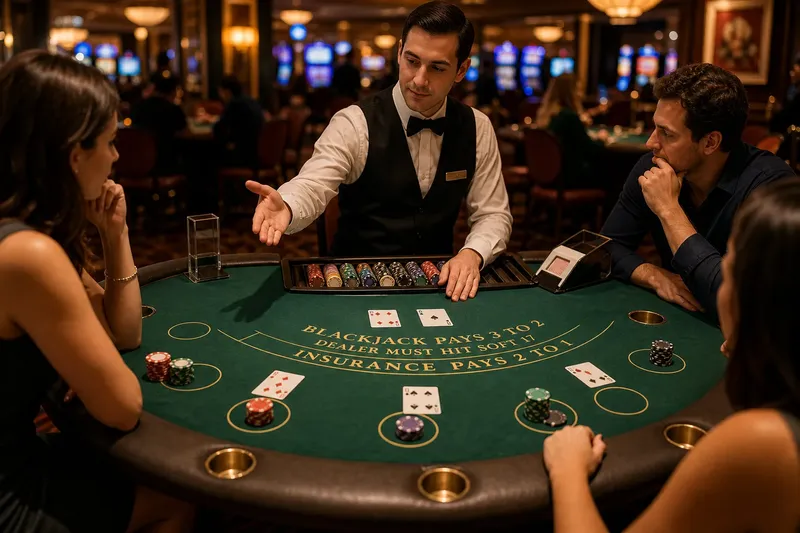
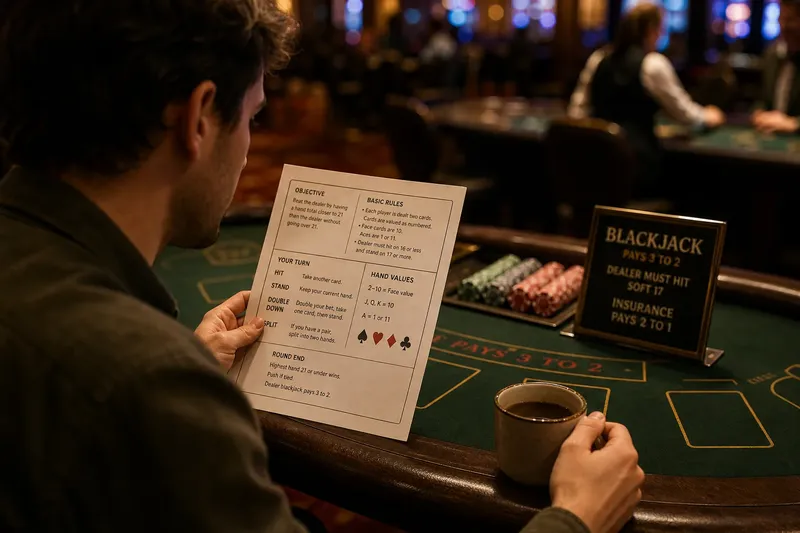
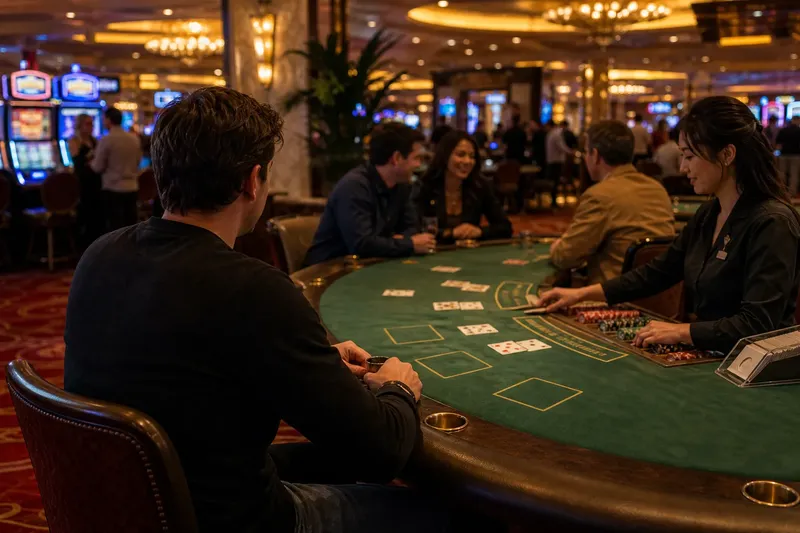
Books, theater, film, and television often use a small set of cues to place a scene in a casino. A wheel, card table, dealer, or chips can establish the setting quickly. These objects are useful to storytellers because they make a game visible without showing the venue’s full range of rooms and activities.
That shorthand shifts attention from the venue’s social life to a wager, reveal, win, or loss. The casino becomes a backdrop for a decisive moment, while the people who came for other reasons may disappear from view.
Say a playwright is drafting an invented radio scene. A newcomer enters a busy resort venue, unsure where to go. The writer first uses music and overlapping conversation to establish a social gathering, then lets the newcomer spot an old friend near a game. The expected result is a scene where the game is present but the reunion, not the wager, gives the encounter its meaning.
Those familiar cues can suggest status, danger, wealth, or escape with little explanation. They tell an audience what kind of scene to expect, not how every casino worked or how every visitor spent an evening.
What questions help separate casino history from its image?
Did every early casino focus on gambling?
No single answer fits every place and period. Some venues were linked with social or cultural leisure as well as games, and the balance varied.
Why is Monte Carlo so recognizable?
Monte Carlo became a familiar cultural reference for resort leisure and gaming. Popular images helped associate it with casino glamour, but that association is not a full history of the place.
Why do stories use a wheel or card table to signal a casino?
Those objects identify a gaming scene quickly and offer visible suspense. They can also shrink a larger social venue to a few easily read details.
Does a fictional casino scene show how visitors actually spent an evening?
Not necessarily. Fiction selects details for its characters and plot, while a specific venue could offer a different mix of activities and experiences.
How can you read the social space beyond the game?
When a casino appears in a story, notice what the scene places around the game: music, conversation, a shared room, or people meeting. Those details can hint at the venue’s social role, even when the plot gives most of its attention to gambling.
Imagine a reader comparing two invented scenes. In the first, the writer shows only a card table and a tense wager; the reader can reasonably expect the game to dominate. In the second, the writer opens with guests talking in a lounge before one character joins a game; the reader can expect the venue’s social life to matter too. The observable difference is what the story gives space to, not proof of how historical visitors behaved.
There is no single image that captures every casino across history. The Italian word’s connection to “house” is a useful clue, but it cannot settle what a particular venue meant. Look for the activities, company, and setting a portrayal includes or leaves aside. The familiar game may be the easiest sign to recognize; the surrounding social space often tells you what the scene wants you to notice.